

The future of Africa begins with her

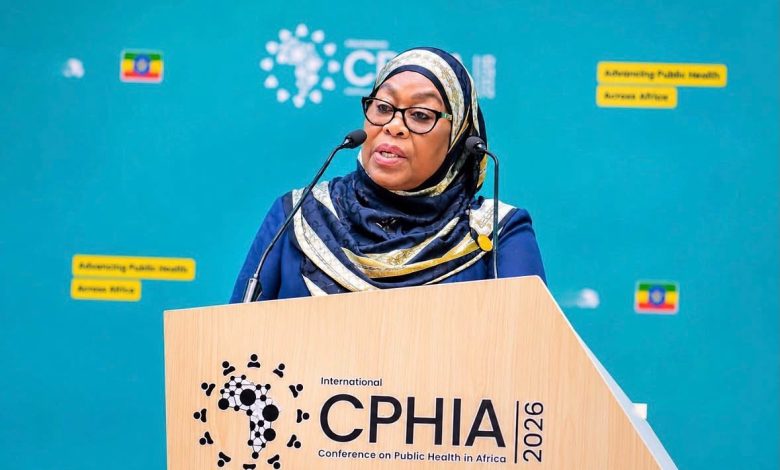
DAR ES SALAAM: THERE is perhaps no greater responsibility for a nation than protecting the lives of the women who give life and the children who represent its future.
Yet across Africa, childbirth remains a life-threatening experience for far too many women. Behind the statistics are mothers who never return home, newborns who never get the opportunity to grow, and families whose lives are changed forever by preventable tragedies.
It is against this reality that President Dr Samia Suluhu Hassan, has placed maternal and child health firmly on Africa’s leadership agenda, championing a continental movement to change the story of motherhood and childhood across the continent.
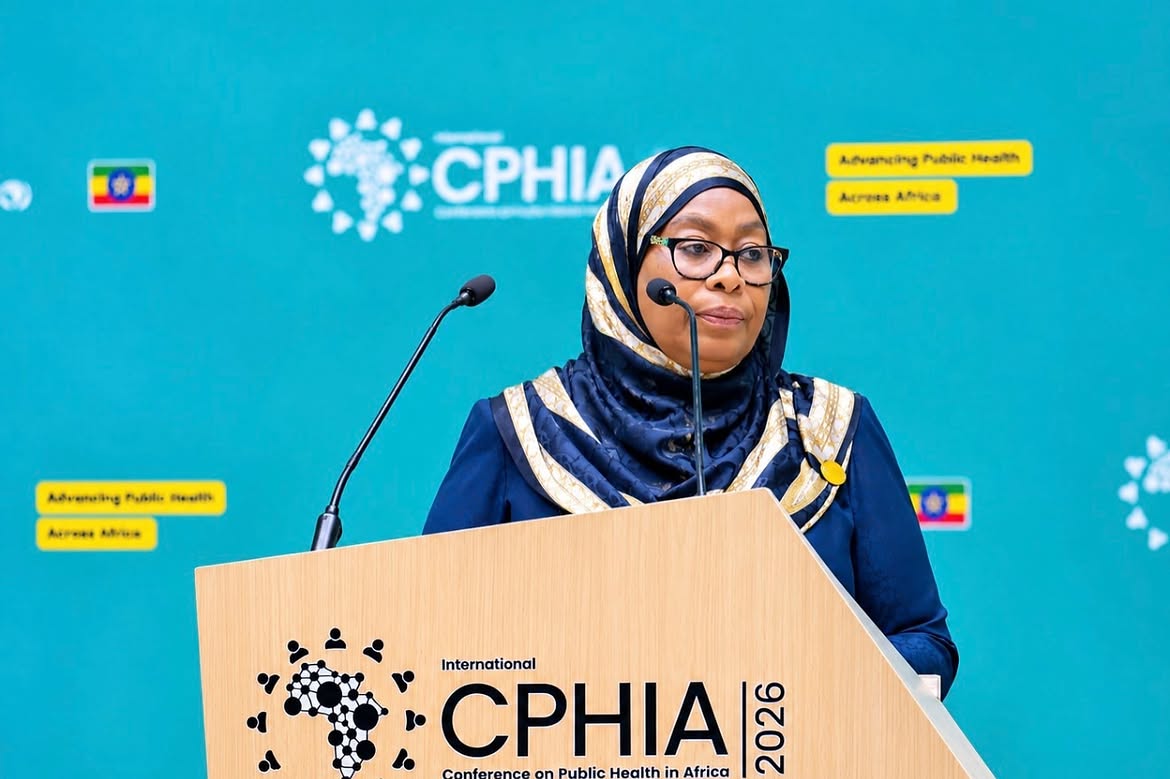
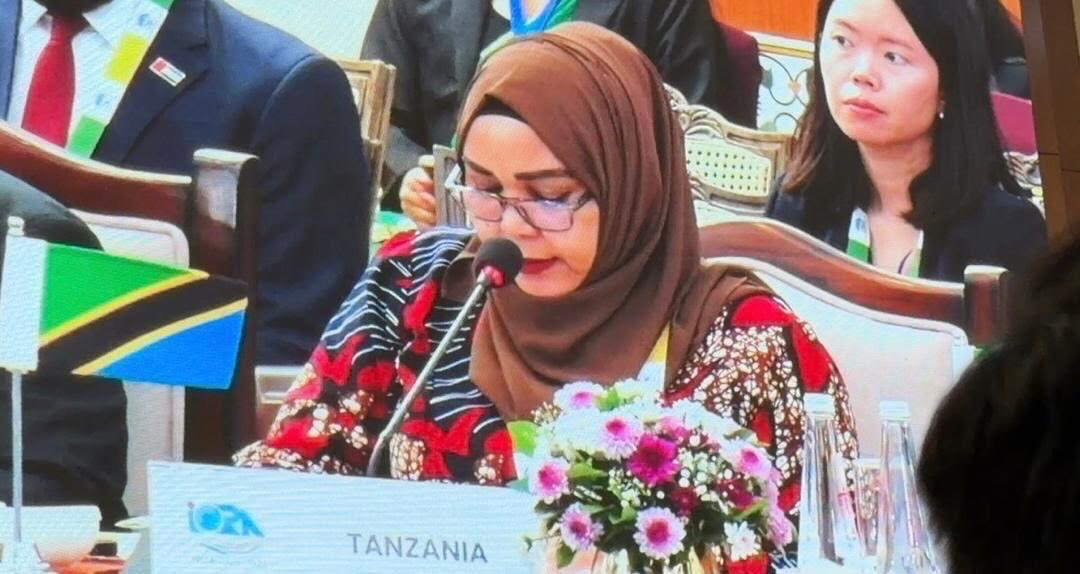
On November 23, 2026, in Addis Ababa, Ethiopia, President Samia launched the Continental Roadmap on Reproductive, Maternal, Newborn, Child and Adolescent Health (2026–2030), during the Fifth International Conference on Public Health in Africa (CPHIA 2026).
The launch was more than a continental health announcement. It represented a renewed commitment to ensuring that women can give birth safely, newborns can survive and thrive, and children can access the healthcare they need to build healthy futures.
For Africa’s women, the message is profound, motherhood should never be a death sentence.
The sobering reality behind motherhood in Africa
Africa continues to carry a disproportionate burden of maternal and newborn deaths. The continental roadmap estimates that approximately 70 per cent of maternal deaths worldwide occur in Africa, with the continent’s maternal mortality ratio standing at 442 deaths per 100,000 live births.
The ambition is to bring that figure below 70 by 2030, in line with the global target. President Samia also cited figures showing that approximately 180,000 women died from maternal causes across Africa in 2023, alongside 1.18 million newborn deaths.
These are not merely numbers. They represent lives that could potentially have been saved through timely medical intervention, adequately equipped health facilities, skilled healthcare professionals and accessible emergency services.
Postpartum haemorrhage, or excessive bleeding after childbirth, remains a leading cause of maternal deaths in many African countries. Among newborns, premature birth and complications during delivery are major contributors to mortality.
The challenge is therefore not simply encouraging women to seek healthcare, but ensuring that when they do, the healthcare system is ready to save their lives. President Samia understands that distinction.
Her message to African leaders has been clear: protecting mothers, children and young people must be a fundamental responsibility of leadership.
“Safeguarding mothers, protecting children and investing in young people are fundamental responsibilities of (our) leadership,” she said.
Tanzania’s journey: from commitment to measurable progress
For Tanzania, the continental initiative is built on a journey of reforms and investments in maternal and child healthcare.
The country’s experience demonstrates how political commitment, accountability and investment in health infrastructure can contribute to improved access to essential services.
Between 2010 and 2022, the proportion of women giving birth in health facilities increased from 51 per cent to 81 per cent.
Deliveries attended by skilled health professionals also increased from 49 per cent to 85 per cent. These improvements reflect an important shift towards safer childbirth and greater access to professional maternity care.
The country’s healthcare infrastructure has also expanded significantly. Facilities providing comprehensive emergency obstetric and newborn care increased from 115 in 2015 to approximately 630 in 2026.
Meanwhile, newborn care units grew from 14 in 2018 to 438 in 2026. These investments are particularly important because complications during pregnancy and childbirth often require immediate medical attention.
A well-equipped facility, a trained midwife, an available anaesthetist and access to emergency surgery can make the difference between life and death.
President Samia also revealed encouraging findings from a new Tanzanian survey, which puts the country’s maternal mortality ratio at approximately 75 deaths per 100,000 live births, compared with the previously recorded 104.
The new survey findings were scheduled for official launch in Dar es Salaam on November 26, 2026. The progress is encouraging, but the ambition remains greater: ensuring that preventable maternal deaths become a thing of the past.
Jiongeze Tuwavushe Salama: a foundation for change
Tanzania’s commitment to maternal health did not begin with the Addis Ababa declaration, it was launched in 2018, by Dr Samia while serving as Vice-President, the national campaign Jiongeze Tuwavushe Salama.
The campaign strengthened the accountability of regional and district leaders in monitoring maternal and newborn healthcare services and reducing preventable deaths.
It recognised that improving maternal health requires leadership at every level, from national government to local authorities and individual health facilities.
Another important intervention is m-Mama, an emergency transport and referral system designed to improve access to urgent maternal healthcare.
By strengthening emergency transport and referrals, the initiative addresses one of the major challenges facing women, particularly those who need urgent medical attention but cannot easily reach an appropriate healthcare facility.
Tanzania has also expanded emergency services and strengthened the direct financing of facilities providing healthcare.
Together, these interventions demonstrate that saving mothers requires a comprehensive approach: prevention, skilled care, emergency response, adequate financing and accountability.
Three zeros: a new promise to Africa’s women and children
At the heart of President Samia’s continental roadmap is an ambitious commitment known as the Three Zeros.
The first is Zero home deliveries
Every pregnant woman should give birth in a health facility, assisted by skilled healthcare professionals, with essential equipment and access to emergency care and timely referral when complications arise.
The second is Zero preventable maternal and newborn deaths
This requires countries to investigate the causes of maternal and newborn deaths, identify weaknesses in healthcare delivery and take corrective action. Progress must be continuously monitored and evaluated.
The third is Zero unvaccinated children
Every child deserves protection against vaccine-preventable diseases. Particular attention will be given to children who have never received vaccines, especially those living in remote communities and areas with limited healthcare services.
The three objectives are interconnected. They recognise that the health of mothers and children cannot be addressed through isolated interventions, but requires strong primary healthcare systems that support women and children throughout their lives.
Importantly, the roadmap covers all 55 African Union member states and prioritises reproductive, maternal, newborn, child and adolescent health between 2026 and 2030.
Investing in the people who save lives
A healthcare system is only as strong as the people who deliver its services. Recognising the need for a stronger specialist workforce, President Samia announced an initial commitment of 60 scholarships to strengthen Africa’s healthcare capacity.
The scholarships will support training in midwifery, anaesthesia, obstetrics and gynaecology, and neonatal care. Additional training opportunities will include short courses and supervised clinical attachments for mid-level clinical professionals, nurses and midwives.
This is particularly significant for African women, because skilled midwives and healthcare professionals are often the first point of contact during pregnancy and childbirth. Investing in their training is an investment in safer deliveries, better newborn care and stronger communities.
ALSO READ: Samia seeks more health funding
From Addis Ababa to 55 African countries
The success of the roadmap will depend on how effectively African governments translate its ambitions into national policies, programmes and budgets.
President Samia has called on member states to appoint empowered national focal points and integrate the roadmap’s objectives into their national health strategies.
As the African Union Champion for Maternal and Child Health, a position endorsed by African Heads of State and Government at their 39th Summit in February 2026, she has a central responsibility to mobilise political leadership and encourage countries to fulfil their commitments.
The African Union Champion’s Secretariat will monitor commitments and implementation, while Africa CDC will coordinate technical support.
Progress will be assessed using seven indicators covering maternal and newborn deaths, safe childbirth, the readiness of health facilities to provide life-saving services, immunisation and domestic health financing.
A mid-term assessment is planned for 2028 to identify countries and areas falling behind, understand obstacles and determine the corrective action required to achieve the 2030 targets. This accountability mechanism is critical.
Africa has made commitments before; the difference must now be measured through results that women and families can actually experience.
A future that does not leave women behind
Beyond maternal and child health, the CPHIA 2026 conference is examining how African countries can strengthen domestic health financing, expand the production of medicines and vaccines and reduce dependence on external assistance.
These priorities speak to a wider vision of African self-reliance, where countries have the resources, expertise and infrastructure to protect their populations. For President Samia, the challenge is to turn continental commitments into sustainable action.
For millions of African women, the hope is simple but powerful: to access quality healthcare without fear, to deliver safely, and to watch their children grow. The true success of this roadmap will not be measured by the number of leaders who attend its launch or the declarations made in conference halls.
It will be measured by the mothers who survive childbirth, the newborns who receive life-saving care, and the children who are no longer left behind by immunisation programmes.
It will be measured in communities where women no longer have to travel impossible distances for emergency maternity services, and where skilled healthcare professionals are available when they are needed most.
President Samia’s continental mission is ultimately about preserving life, dignity and opportunity. Because when Africa saves a mother, it protects a family.
When it protects a child, it safeguards a generation. And when it invests in women’s health, it invests in the future of an entire continent. The future of Africa begins with her.
And that future must be one in which every woman has the right to live, every mother has the right to safe childbirth, and every child has the opportunity to thrive.
JIUNGE NA SOGA COMMUNITY
MASHABIKI WA MICHEZO NA MATUKIO DUNIANI WANAKUTANA HAPA. HAKUNA FUJO, HAKUNA MATUSI — NI MAZUNGUMZO YA MAANA NA MARAFIKI WAPYA.
✅ MFUMO UNAZUIA CHATS ZISIZOFAA
✅ KUBLOCK USER ASIYE NA MAADILI
✅ KUMSHITAKI NA KUMFUKUZA MTUMIAJI MBAYA
✅ KUFOLLOW NA KUBEFRIEND WATUMIAJI WENYE MAADILI
What's Your Reaction?
 Like
0
 Dislike
0
 Love
0
 Funny
0
 Wow
0
 Sad
0
 Angry
0









Comments (0)