

Universities encouraged to turn research into real-life solutions

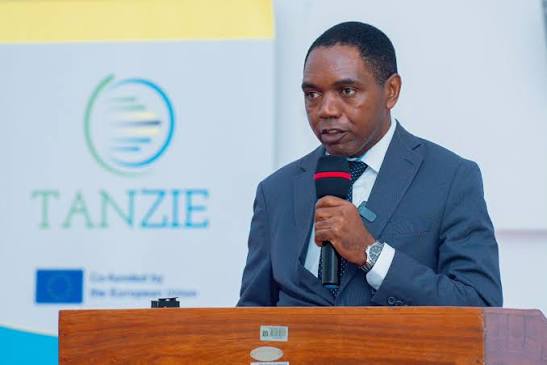
Universities encouraged to turn research into real-life solutions
 1 hour ago
1
1 hour ago
1
DODOMA: UNIVERSITIES in Tanzania have been urged to ensure their research goes beyond academic publications and career advancement to deliver practical solutions to challenges facing citizens.
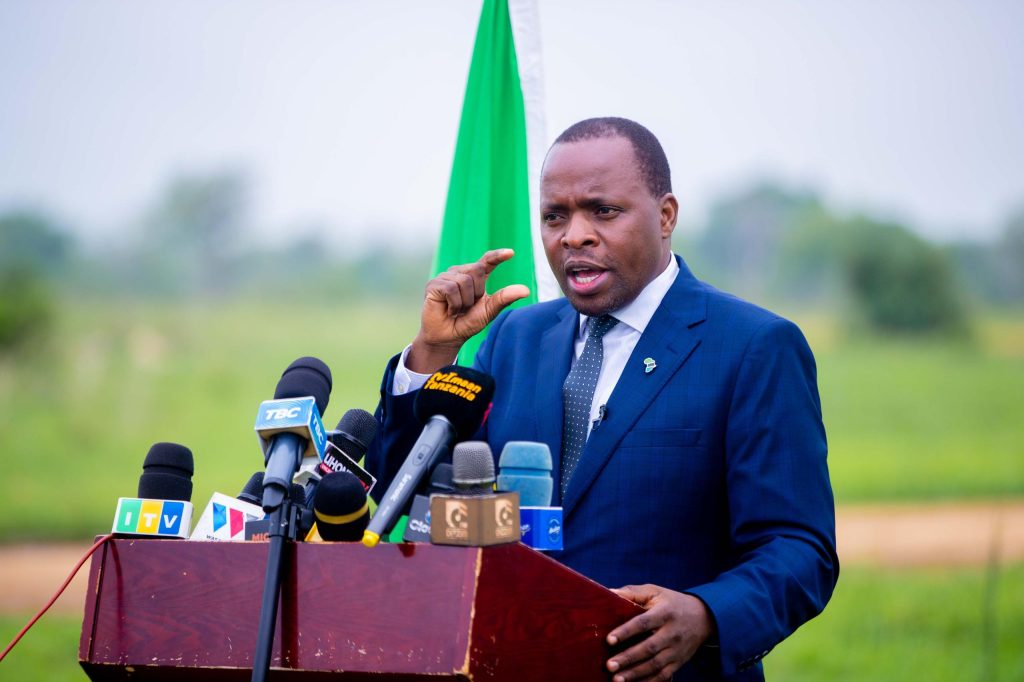
The call was made in Dodoma by the Vice-Chancellor of the Nelson Mandela African Institution of Science and Technology (NM-AIST), Professor Maulilio Kipanyula, during the signing of a cooperation agreement involving the National Bureau of Statistics (NBS), the University of Dar es Salaam (UDSM) and NM-AIST on the use of technology in producing official statistics.
Prof Kipanyula said data should not remain as figures in tables but should be transformed into knowledge that supports informed national decision-making.
“Data should not end up simply as numbers in tables. It must become knowledge that helps the nation make better decisions,” he said.
He stressed that university research and innovation must have a visible impact on society by addressing everyday challenges facing Tanzanians.
“We have experts in data science, artificial intelligence, statistics, computer science and digital systems.
Their expertise must be applied to solve societal challenges,” he said.
Prof Kipanyula noted that NBS has a vast national data repository and strong capacity in data collection and analysis, while NM-AIST and UDSM have expertise in research and innovation.
He said combining these strengths would create significant opportunities for national development.
The use of artificial intelligence, he added, could help monitor social and economic changes and track trends in key sectors such as employment, education, health, agriculture and climate change.
He said the partnership comes at a crucial time as Tanzania begins implementing its Development Vision 2050, which aims to build a competitive, inclusive and knowledge-driven economy.
“To reach where we want to go, we must know where we are, where we are heading and how fast we are moving. That is where statistics become important,” he said.
“Major national decisions cannot be based on assumptions. They require accurate data, scientific evidence and foresight.”
UDSM Vice-Chancellor Professor William Anangisye said the agreement would strengthen collaboration in artificial intelligence, research, innovation, capacity building and the application of technology to address national challenges.
ALSO READ: SAUT boosts research, digital skills to meet global labour demands
Government Chief Statistician Dr Amina Msengwa said NBS was deepening collaboration with universities to expand data collection and provide more reliable information at scale.
She said the partnership would broaden data sources, including administrative records and non-traditional data, to meet growing national information needs as Tanzania pursues its goal of becoming a one-trilliondollar economy by 2050.
NBS Board Chairperson Anne Makinda said the partnership must deliver tangible benefits to citizens. She urged the media to inform the public about what she described as a historic initiative aimed at driving national transformation.
Ms Makinda also stressed that the agreement should not remain on paper, but should be measured by the practical solutions it delivers to Tanzanians.
JIUNGE NA SOGA COMMUNITY
MASHABIKI WA MICHEZO NA MATUKIO DUNIANI WANAKUTANA HAPA. HAKUNA FUJO, HAKUNA MATUSI — NI MAZUNGUMZO YA MAANA NA MARAFIKI WAPYA.
✅ MFUMO UNAZUIA CHATS ZISIZOFAA
✅ KUBLOCK USER ASIYE NA MAADILI
✅ KUMSHITAKI NA KUMFUKUZA MTUMIAJI MBAYA
✅ KUFOLLOW NA KUBEFRIEND WATUMIAJI WENYE MAADILI
What's Your Reaction?
 Like
0
Like
0
 Dislike
0
Dislike
0
 Love
0
Love
0
 Funny
0
Funny
0
 Wow
0
Wow
0
 Sad
0
Sad
0
 Angry
0
Angry
0











Comments (0)